Vera Flores · 25 September 2026
Version Control Systems in Niche Digital Archives: Maintaining Integrity of Specialized Collections
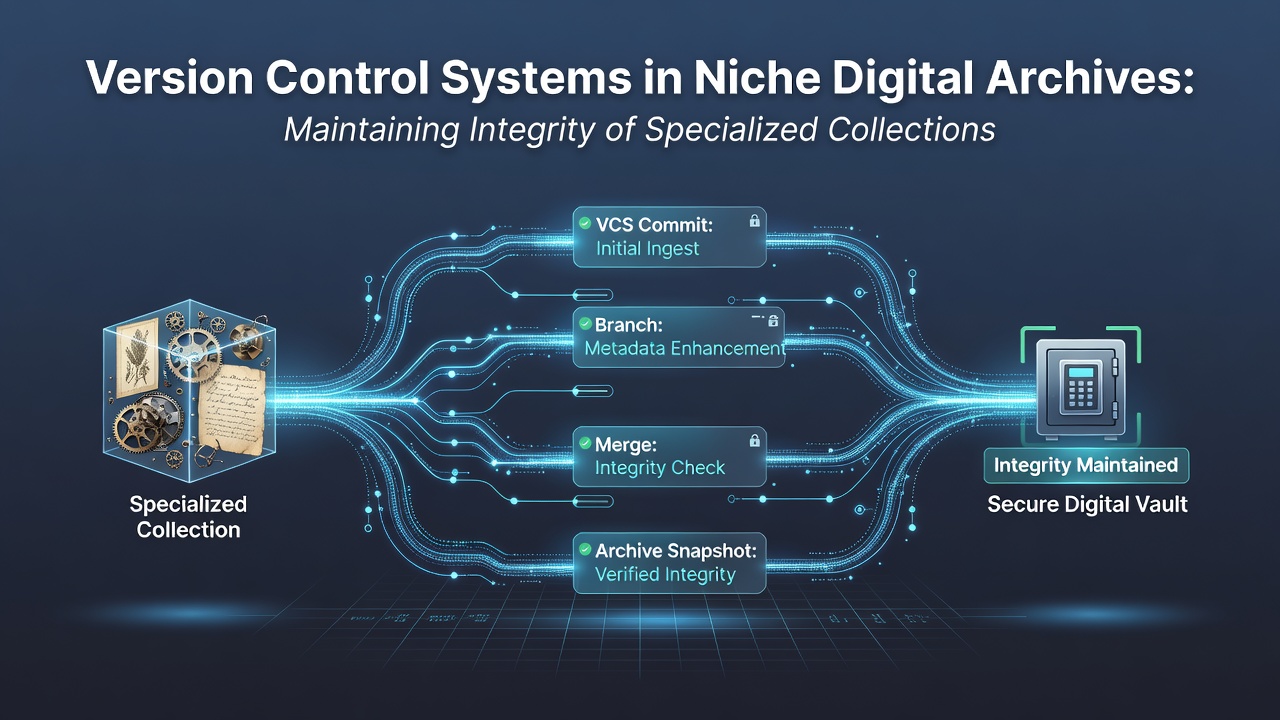
Version control systems track every modification to digital files across multiple contributors while preserving complete histories of changes in specialized collections. These systems rely on cryptographic hashes to verify data integrity at each step, which prevents unauthorized alterations in archives that hold rare manuscripts, scientific datasets, or cultural artifacts. Observers note that institutions managing niche collections have adopted tools such as Git and Mercurial to handle the demands of long-term preservation where traditional backup methods fall short.
Core Mechanisms Supporting Data Integrity
Version control systems record changes through commits that include timestamps, author metadata, and unique identifiers derived from file content. Researchers have documented how hash functions create digital fingerprints for every file version, allowing archives to detect even minor corruptions during transfers or storage migrations. In practice, repositories for indigenous knowledge bases use branching structures to maintain separate lines of curation without overwriting primary records, and this approach keeps original materials intact while permitting collaborative annotations.
Specialized collections often contain mixed media formats that require consistent tracking across updates. Data shows that systems configured with automated integrity checks flag discrepancies before they propagate through the archive, reducing the risk of silent data loss in environments where collections span decades of incremental additions. Those managing these archives frequently integrate version control with metadata standards such as PREMIS to link provenance information directly to each commit.
Applications in Distinct Collection Types
Scientific data archives handling genomic sequences or climate modeling outputs have deployed version control to manage iterative revisions from distributed research teams. One study revealed that Git-based workflows enabled precise rollback to earlier dataset states when new validation tests identified errors in later processing stages. Cultural heritage institutions similarly apply these tools to digitized rare books and photographs, where multiple restoration attempts must remain traceable without compromising the master files.
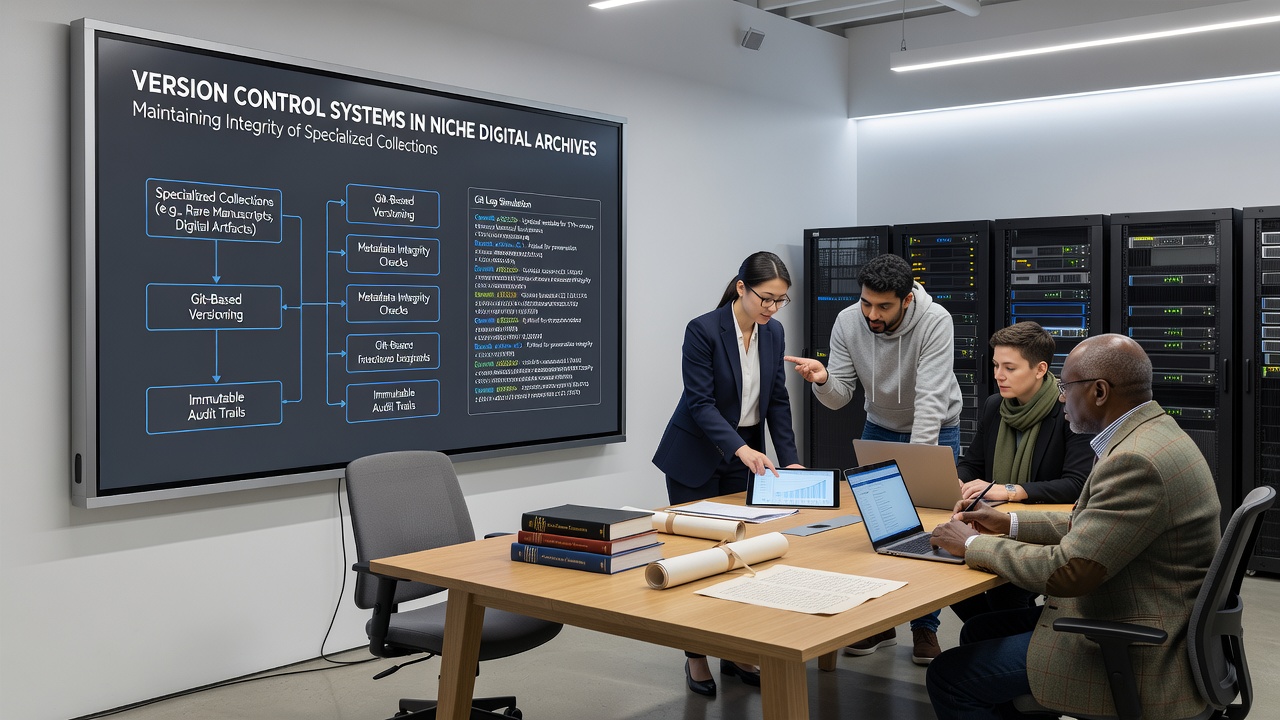
Take one project focused on endangered language documentation that stores audio recordings alongside transcription layers. Version control here allows linguists to add annotations across successive releases while the core audio remains unchanged, and the system logs each contributor's input for accountability. Figures from Library and Archives Canada indicate that such structured tracking has supported the management of over 500,000 digital objects in similar niche repositories by 2025.
Technical Considerations for Niche Environments
Large binary files common in visual arts or geological survey collections can strain standard version control repositories, prompting the use of extensions like Git LFS for external storage of media assets. According to reports from the Library of Congress digital preservation initiatives, archives that combine version control with distributed storage networks achieve higher retrieval reliability during content audits. Yet the configuration demands careful planning to avoid performance bottlenecks when collections exceed several terabytes.
Security protocols within these systems include signed commits and access controls that restrict modifications to authorized personnel. In September 2026, updates to international digital preservation guidelines are expected to emphasize enhanced encryption layers for version histories in sensitive cultural collections, reflecting ongoing work by global standards bodies. People responsible for these archives often test these protocols through simulated breach scenarios to confirm that integrity checks hold under stress.
Challenges and Observed Solutions
Scalability remains a persistent issue when version control systems manage thousands of daily commits across geographically dispersed teams. Research indicates that selective cloning of repository sections helps institutions avoid full data transfers during routine access, though this requires ongoing synchronization scripts. Observers note that training programs for archivists now incorporate version control modules to address skill gaps that previously led to inconsistent implementation.
Interoperability with existing cataloging software presents another layer of complexity, since many niche archives rely on legacy databases that predate modern version control adoption. Solutions involve middleware layers that translate commit data into searchable metadata fields, and case examples from European research consortia demonstrate successful integrations that maintain full audit trails without disrupting established workflows.
Conclusion
Version control systems provide structured methods for tracking changes and verifying integrity in digital archives dedicated to specialized collections. Through hash-based verification, branching strategies, and integration with preservation standards, these tools support the long-term reliability of materials ranging from scientific datasets to cultural records. Continued refinements in security and scalability align with scheduled guideline updates in 2026, positioning version control as a foundational component for institutions preserving unique digital holdings.